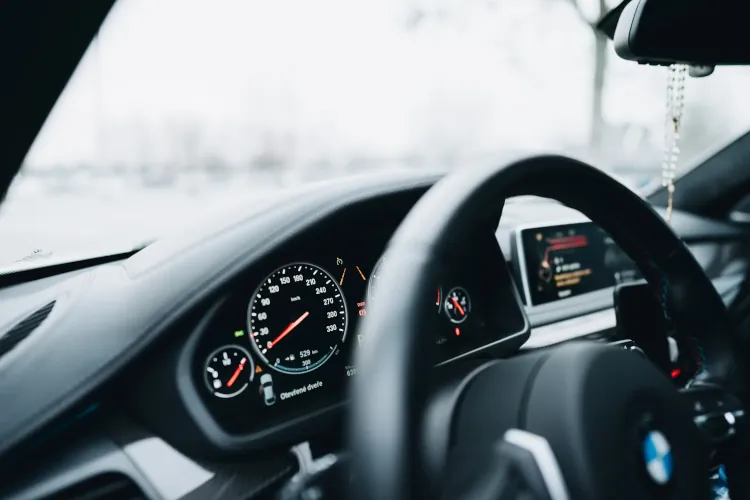
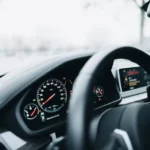
You start your car in the morning and several lights appear on the dashboard. A few seconds later, most disappear.
That’s normal.
But what happens when one stays on—or suddenly appears while you’re driving?
Too many motorists respond in one of two ways: ignore it because the car is still moving, or panic and assume the engine is about to fail.
Neither response is ideal.
Modern vehicles use dashboard warning lights to alert drivers to problems ranging from minor faults to situations requiring immediate attention. Understanding some of the most important warnings can help you make better decisions and potentially prevent expensive damage.
1. Oil Pressure Warning
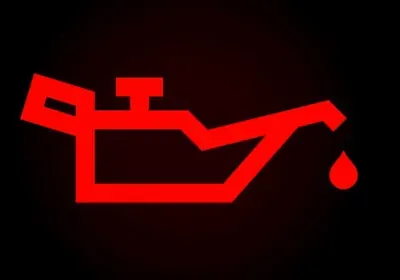
The oil-pressure warning is one of the lights you should take seriously.
It may indicate that the engine is not receiving adequate oil pressure. Continuing to drive in such circumstances can result in serious engine damage.
If the oil-pressure warning remains illuminated while the engine is running, stop safely and investigate the cause.
Simply adding oil isn’t always the answer—the problem needs to be properly diagnosed.
2. Engine Temperature Warning
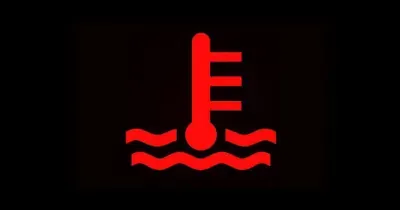
An overheating engine can quickly become an expensive engine.
If the temperature warning appears or the temperature gauge rises unusually high, find a safe place to stop and switch off the engine.
Do not continue driving an overheating vehicle simply because your destination is “only five minutes away.”
Those five minutes can become very expensive.
And never open a hot radiator or coolant cap.
3. Battery/Charging Warning
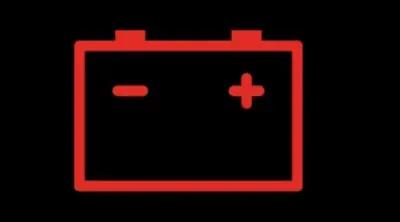
Many drivers assume the battery symbol means only that the battery is bad.
Not necessarily.
It can indicate a problem with the vehicle’s charging system, which could involve the battery, alternator, belt, wiring or related components.
If it appears while driving, don’t ignore it simply because the vehicle is still running.
4. Brake Warning Light

A brake warning may appear because the parking brake is engaged, but if it remains on after the parking brake has been fully released, further investigation may be necessary.
Because brakes are a critical safety system, persistent brake warnings should never be casually ignored.
5. ABS Warning
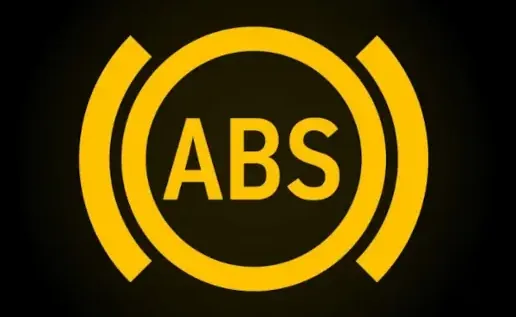
ABS stands for Anti-lock Braking System.
If the ABS warning stays illuminated, there may be a fault within that system. Your conventional braking system may still function, but the anti-lock assistance may not operate as intended.
Have it inspected.
6. Check-Engine Light
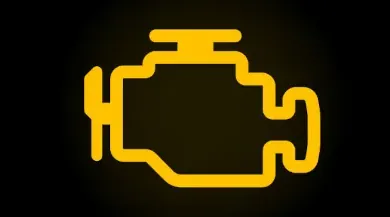
This is probably one of the most familiar—and most misunderstood—dashboard warnings.
The check-engine light can be triggered by many different faults.
That is precisely why guessing isn’t the solution.
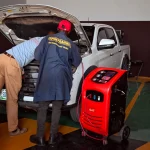
Modern vehicles store diagnostic information that trained technicians can retrieve using appropriate equipment. A proper diagnosis can help identify the actual problem instead of changing several perfectly good parts while searching for the faulty one.
A flashing check-engine light can indicate a more urgent problem than a steady light and should be treated seriously.
7. Tyre Pressure Warning
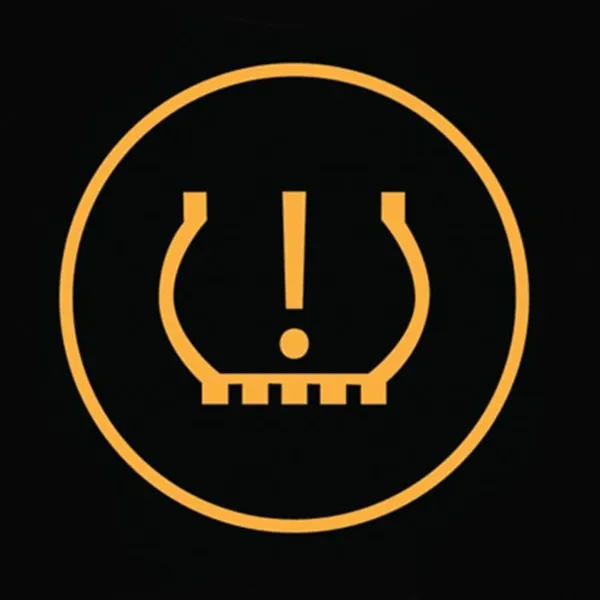
Vehicles equipped with a Tyre Pressure Monitoring System may alert you when tyre pressure becomes significantly low.
Don’t just clear the warning and continue driving.
Inspect the tyres.
A low-pressure warning could be caused by gradual pressure loss—or the beginning of a puncture.
Red, Amber and Green: A Useful General Guide
Although dashboard designs vary between manufacturers, warning colours generally provide useful guidance.
Red commonly indicates a serious condition requiring prompt attention.
Amber or yellow generally means something requires inspection or attention.
Green or blue usually indicates that a system or feature is operating.
However, always consult your vehicle owner’s manual because symbols and meanings can differ between vehicles.
Don’t Solve Warning Lights With Black Tape
It sounds amusing, but ignoring a warning doesn’t solve the underlying problem.
Neither does repeatedly clearing fault codes without identifying why the fault occurred.
The Diverse Vehicle Care Tip
A dashboard warning light is information. What you do with that information can determine whether you face a small maintenance bill or a major repair.
When an unfamiliar warning appears, don’t guess.
Check your owner’s manual or have the vehicle professionally diagnosed.
At Diverse Autocare Centre Limited, we encourage motorists to understand their vehicles and respond to warning signs early.
Visit Diverse Autocare Centre today @
📍Diverse Autocare Workshop @Block 3, Bay 3, Edo Production Centre, Sapele Road, Benin City
📍Diverse Autocare Hub @KM 6, Opposite Edo Production Hub, Sapele Road Benin City.
Diverse Vehicle Care
Practical motoring advice from Diverse Autocare Centre Limited.
Leave a Reply